

Numbness is not wellness
How the wellness industy helps manufacture our apathy.

A photo of doctors in hazmat suits carrying out another body, the latest victim in the current Ebola outbreak in the Democratic Republic of the Congo.
Scroll.
A video of a refugee camp in Gaza bursting in flames from Israeli missiles while people struggle to save the burning bodies of their loved ones.
Scroll.
A portrait of a woman in Sudan who was a victim of rape as a weapon of war, just one of the 4.2 million women and girls at risk.
Scroll.
A photo of a girl’s body trapped under the rubble of Shajareh Tayyebeh Elementary School in Iran after the school was struck by the United States, her hand frozen while reaching out for help.
Scroll.
A video of yet another cobalt mine in the Democratic Republic of the Congo collapsing on top of hundreds of workers living on slave wages.
Scroll.
A white woman talking into a microphone giving me “10 tips on how to protect your energy.”
Today we’re faced with the realities of today’s world in a way which we never have before. The constant feed of images feels unbearable, but as we continue to scroll, the frightening reality is that it becomes hauntingly normalized.
We watch, we flinch, we scroll. And then, somewhere between a video of a bombed hospital and a carousel about how “Rest is resistance”, we are intentionally redirected back to ourselves.
In her book, Regarding the Pain of Others, Susan Sontag explores how photographs and videos of violence have affected us. She states, “If one feels that there is nothing ‘we’ can do -- but who is that ‘we’? -- and nothing ‘they’ can do either -- and who are ‘they’ -- then one starts to get bored, cynical, apathetic.”
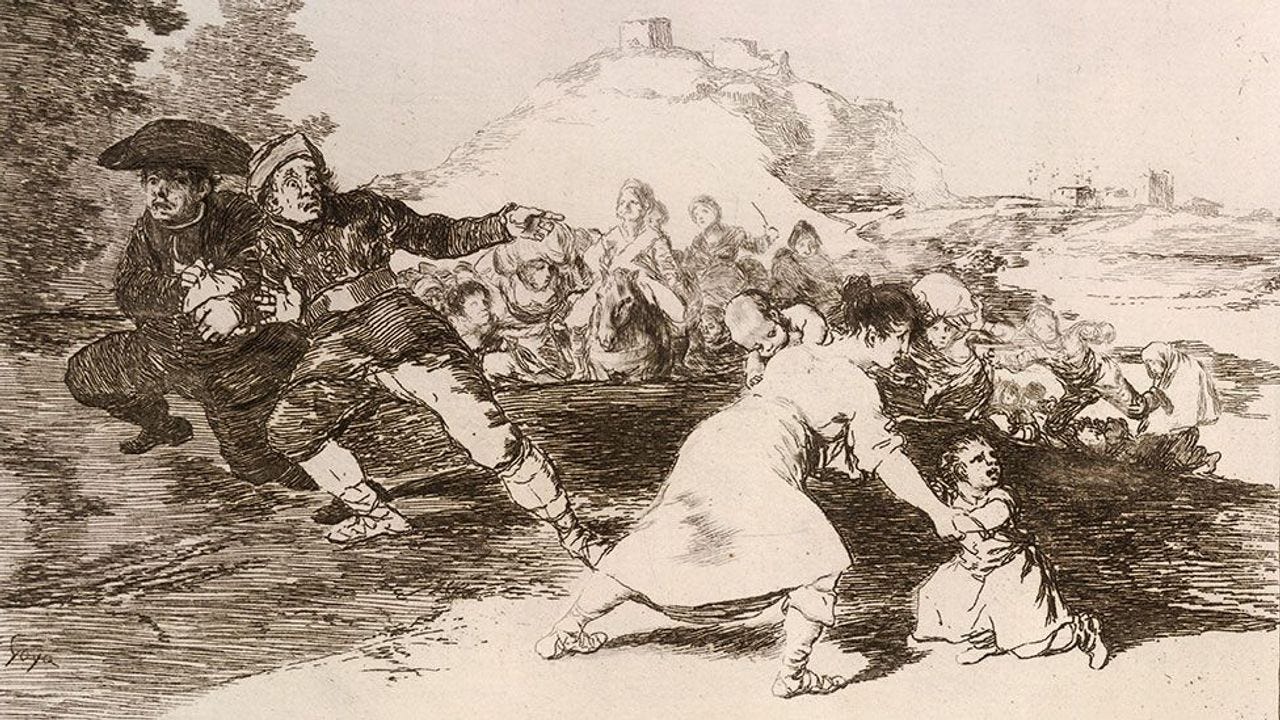
This redirection back to the self and this chosen apathy is a direct result of what the wellness industry is always selling.
The wellness industry reframes structural problems as personal failures. And this is intentional. If you think that you’re doing something wrong and someone promises you the solution, you’re going to buy into that. And you’re going to keep buying into it as “coaches”, “mentors”, and “gurus” continue to lure you in with solutions that don’t actually work. Because the reality is that most of the issues you’re trying to solve stem from systemic issues. But no one financially profits off of fixing those.
This is nothing new. This is a pattern that the wellness industry is based on and has existed from its inception.
What feels different now is the clear entanglement of this industry’s teachings and the systemic failures we see in our feeds every day.
There’s no supplement for being born under bombardment. There’s no meditation practice that can calm an occupation. There’s no amount of journaling that can make a missile miss its intended target.
And yet we see the same messaging being spread every single day as people post: “I had to stop watching the news for my mental health”; “I’m protecting my peace”; “I’m focusing on what I can control.”
I’m not saying that taking care of your mental health is a bad thing. Seeing these images and understanding the weight that they hold does impact your mental health. The nervous system is not built to process endless violence and it’s important to take care of yourself. But there is a thin line here. Oftentimes this mentality slips from “this is too much to hold” to “this is not mine to hold at all.”
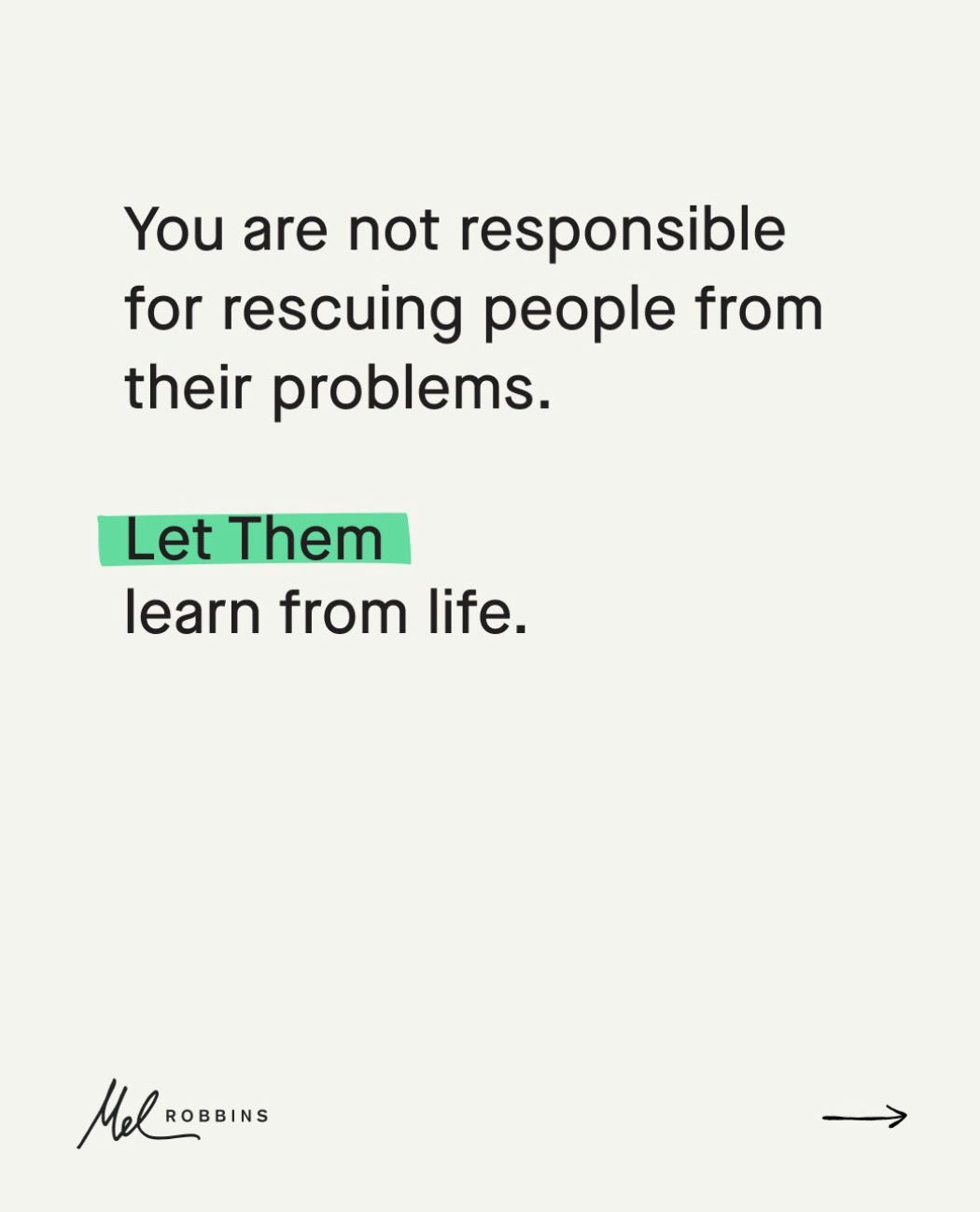
And this is what not only the wellness industry profits off of, but the larger systems as a whole are that are implementing this violence.
Hyper-individualism and the insistence that the self is both the problem and the solution has become its operating system. It tells us to turn inward over and over again in order to redirect our attention away from the collective and back to the personal.
In the end, all of this personal wellness that they’re trying to sell us forces us to turn so deeply inward that we don’t have the energy to focus on anything outside of ourselves. We become numb.
And numbness is not neutral.
The more we’re trained to interpret suffering as something to be managed indvidually, the less capacity we have to respond to suffering publicly. The more we’re told to protect our energy, the easier it is to look away. It’s easier to not take the collective steps towards any kind of real, systemic change which will ultimately lead to greater wellness for everyone.
Real wellness doesn’t exist in isolation and it’s not something you can truly achieve while the conditions around you remain violent and unjust. Any cure, product, industry, or individual that ignores social conditions that affect wellness are selling you beautifully-curated lies.
So what’s the answer?
The answer isn’t to do more doomscrolling. The answer is to refuse the idea that ignoring the world around you makes you better. Real wellness comes from recognizing that a hyper focus on individuality will not bring the kind of change you need in order to live a healthier life. And it certainly won’t bring forth the kind of change needed to end the images and videos you see on your phone every day.
Once again, Sontag said it best when she said:
“That we are not totally transformed, that we can turn away, turn the page, switch the channel, does not impugn the ethical value of an assault by images. It is not a defect that we are not seared, that we do not suffer enough, when we see these images. Neither is the photograph supposed to repair our ignorance about the history and causes of the suffering it picks out and frames. Such images cannot be more than an invitation to pay attention, to reflect, to learn, to examine the rationalizations for mass suffering offered by established powers. Who caused what the picture shows? Who is responsible? Is it excusable? Was it inevitable? Is there some state of affairs which we have accepted up to now that ought to be challenged?”
What we are seeing now is the conditioning of people into political apathy. We’ve been brainwashed into believing that our obligation is not to each other, but to our own “improvement”.
Our feeds show us genocide and then immediately offer us a solution in the language of self-care. The danger of this is not just that we become numb, it’s that we’ve come to believe that this numbness is wellness.
A culture that teaches people to look away in the face of preventable suffering is not promoting wellness. It’s training obedience. People consumed with self-improvement have very little energy left for public resistance.
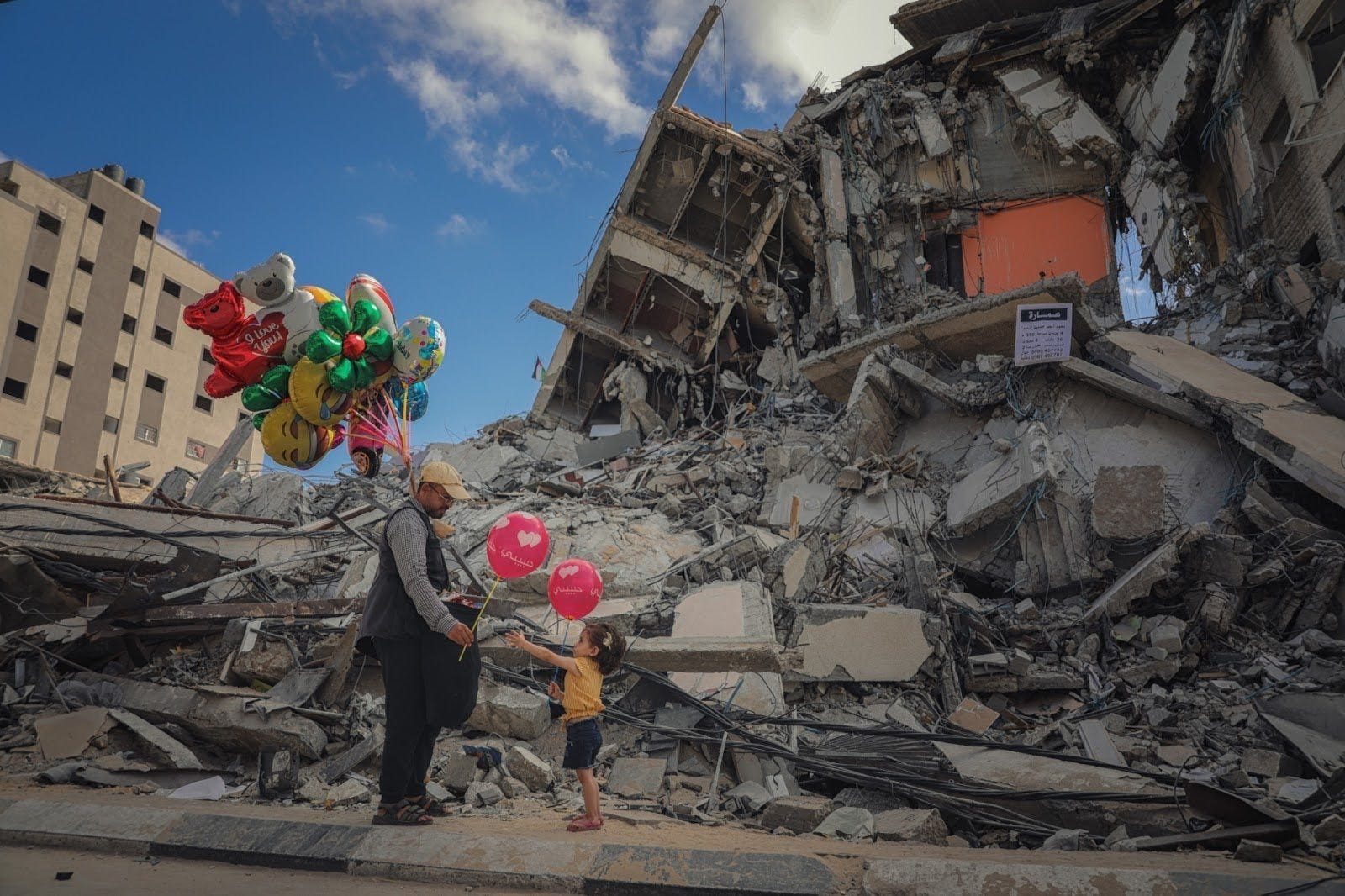
It’s time to stop turning away, to stop scrolling, and to start paying attention.
Not because paying attention alone will save anyone, but because every system that depends on violence also depends on public disengagement. The systems we live in depend on people deciding the suffering they’re witnessing is too complicated to confront or change.
The question is not how we can emotionally cope with seeing another image on our feed. The question is what kind of people we will become if we ignore them.
So much yes to this. Thank you
As usual, well said.